What Is Peptide Therapy? A Comprehensive Guide to Therapeutic Peptides in Longevity Medicine
AUTHOR
Aerwell
SHARE
Peptide therapy has emerged as one of the most promising and scientifically grounded tools in modern longevity medicine. Unlike many anti-aging interventions that remain largely theoretical, peptides—short chains of amino acids that act as cellular signaling molecules—offer a mechanistically precise approach to restoring the body’s natural regulatory systems as they decline with age. At Aerwell, we use peptide therapy to address fundamental aging processes: tissue repair, hormonal optimization, immune resilience, and mitochondrial function. This comprehensive guide explores what peptides are, how they work at a cellular level, which peptides matter most for longevity, and what the evidence actually shows about their safety and efficacy. Whether you’re considering peptide therapy for the first time or seeking a deeper understanding of how these molecules can support your healthspan, this article provides the science-backed foundation you need to make informed decisions about your longevity strategy.
What Are Peptides? Understanding the Basics
Peptides are short amino acid chains—typically consisting of 2 to 50 amino acids, though some sources extend this to 100. They differ from proteins, which are longer chains containing more than 50 amino acids. In the body, peptides function as signaling molecules: they bind to specific cell surface receptors, triggering cascades of molecular events that influence everything from growth and repair to immune function and metabolism.
The human body produces hundreds of endogenous peptides naturally. Thyroid hormones, growth hormone-releasing peptides, immune-modulating peptides, and wound-healing peptides are continuously synthesized by specialized cells. These peptides circulate through the bloodstream, reach target tissues, and orchestrate cellular communication. However, like many biological systems, peptide production declines with age. This decline contributes to age-related loss of muscle mass, impaired wound healing, weakened immunity, and compromised tissue regeneration.
Therapeutic peptides used in longevity medicine are either synthetic versions of endogenous peptides (e.g., thymosin alpha-1, which mimics the body’s natural immune-regulatory peptide) or peptide-like compounds discovered in nature or designed in the laboratory. When introduced as therapies, these peptides restore signaling capacity, essentially ‘reminding’ the body how to repair, regenerate, and optimize function as it did in youth.
How Peptide Therapy Works
Receptor Binding and Cellular Signaling
Peptides exert their effects through a lock-and-key mechanism. Each peptide binds to specific receptors on or within cells—cell surface G-protein-coupled receptors, growth factor receptors, or intracellular pathways. This binding initiates a cascade: the receptor activates intracellular signaling proteins (kinases, phosphatases), which modulate gene expression and protein synthesis. For example, growth hormone-releasing peptides (GHRPs) bind to the ghrelin receptor, triggering the pituitary to secrete more growth hormone—a hormone essential for tissue repair, muscle maintenance, and metabolic health.
Restoring Cellular Communication
Aging disrupts the precision of cellular communication. Inflammation increases, oxidative stress accumulates, and cells become less responsive to regenerative signals. Peptides can restore this communication by providing high-specificity signals that cut through age-related noise. BPC-157, for instance, stimulates angiogenesis (blood vessel formation) and reduces inflammation—both crucial for tissue healing in an aging organism that has lost some capacity for self-repair.
Tissue-Specific Effects
One remarkable feature of peptide therapy is tissue selectivity. A peptide administered systemically (by injection or oral route) can preferentially accumulate in or affect specific tissues based on receptor distribution. BPC-157, administered orally or by injection, distributes broadly but exerts its strongest protective effects on the gastrointestinal tract and connective tissues—precisely where the peptide receptors are most abundant.
Why Peptide Levels Decline and What It Means for Healthspan
Peptide production is regulated by the hypothalamus-pituitary axis, specialized immune cells (like thymic cells producing thymosin), and various endocrine tissues. From the third decade of life onward, this production diminishes progressively. Growth hormone levels drop by approximately 10% per decade after age 30; thymic-derived immune peptides decline as the thymus involutes; and growth factor-releasing signals attenuate. This decline is not random—it appears to be a consequence of epigenetic aging, oxidative stress, and the progressive dysfunction of regulatory systems.
The consequences are substantial. Loss of growth hormone and growth hormone-releasing peptides contributes to sarcopenia (age-related muscle loss), reduced bone density, and slowed recovery from injury. Decline in immune-regulatory peptides underlies immunosenescence—the weakening of immune function and the shift toward chronic, low-grade inflammation (inflammaging) that characterizes aging. Loss of tissue-protective peptides like BPC-157 reduces the body’s capacity for tissue repair and angiogenesis, explaining why wounds heal more slowly, joint injuries become more stubborn, and GI function deteriorates with age.
Peptide therapy attempts to restore these levels, essentially providing exogenous versions of the signals the aging body is losing. Unlike hormone replacement therapy, which directly supplements a hormone, peptide therapy often works upstream—it may stimulate the body’s own hormone production or enhance receptor sensitivity, making it both efficient and more physiologically aligned.
Key Categories of Therapeutic Peptides in Longevity Medicine
- Growth Hormone-Releasing Peptides (GHRPs)
GHRPs stimulate the release of growth hormone from the anterior pituitary. The most commonly used are ipamorelin and CJC-1295 (a GHRH analogue). These peptides are favored in longevity medicine because they increase GH levels while maintaining the natural feedback loops of the hypothalamic-pituitary-growth hormone axis, avoiding the suppressive effects of direct GH injection. Benefits include enhanced muscle protein synthesis, improved body composition, accelerated recovery from training, and potentially improved sleep quality and skin elasticity. - Tissue Repair and Angiogenic Peptides
BPC-157 (Body Protection Compound-157) and Thymosin Beta-4 (TB-500) are the primary peptides in this category. BPC-157 increases growth factor expression, particularly vascular endothelial growth factor (VEGF), promoting angiogenesis and wound healing. It also reduces inflammation and supports GI barrier integrity. TB-500, derived from thymus tissue, enhances cell migration and angiogenesis, and is particularly valuable for tendon, ligament, and muscle recovery. These peptides are ideal for athletes, individuals with chronic injuries, and those seeking accelerated healing. - Immune-Modulating Peptides
Thymosin Alpha-1 (Talpha1) is a synthetic version of the naturally occurring immune-regulatory peptide. It enhances T-cell maturation, increases IL-2 and IFN-gamma production, and has demonstrated efficacy in aging populations for improving vaccine response and reducing infection rates. Thymosin Beta-4 also has immune-modulating properties. These peptides are particularly relevant for individuals over 60, those with recurrent infections, or those seeking to optimize immune resilience. - Mitochondrial Function Peptides
MOTS-c and SS-31 (elamipretide) are emerging peptides that directly enhance mitochondrial function. MOTS-c is a mitochondrial-derived peptide that improves glucose uptake and insulin sensitivity by modulating AMP-activated protein kinase (AMPK) signaling. SS-31 (elamipretide) specifically targets mitochondrial cardiolipin, reducing oxidative stress and improving ATP production. These peptides address one of the fundamental hallmarks of aging: mitochondrial dysfunction. They are particularly promising for metabolic aging, cognitive decline, and age-related energy loss.
Peptides and the Hallmarks of Aging: Where They Intervene
In 2013, cellular aging researchers López-Otín, Blasco, Partridge, and Kroemer proposed a framework of 12 hallmarks of aging that collectively explain how organisms age. This framework has become central to longevity medicine. Peptides are unique in their ability to address multiple hallmarks simultaneously, a feature that makes them mechanistically superior to many single-pathway interventions.
GHS peptides (ipamorelin, CJC-1295) address stem cell exhaustion and loss of proteostasis by stimulating growth hormone-dependent angiogenesis and protein synthesis. BPC-157 and TB-500 address deregulated cellular communication by restoring growth factor signaling and reducing inflammaging—the chronic, low-grade inflammation characteristic of aging. MOTS-c and SS-31 directly target mitochondrial dysfunction, one of the most fundamental aging processes, by optimizing energy production and reducing reactive oxygen species. Anti-inflammatory peptides, particularly thymosin alpha-1, modulate the inflammaging hallmark by supporting T-cell function and reducing circulating inflammatory cytokines (IL-6, TNF-α, CRP).
Peptide therapy is unique in its ability to target multiple hallmarks of aging simultaneously — making it one of the most mechanistically broad tools in longevity medicine.
FDA Approval, Compounding, and Regulatory Status
It is important to be clear about the regulatory status of therapeutic peptides. Most peptides used in longevity medicine are not FDA-approved as finished pharmaceutical products. However, many are available through licensed compounding pharmacies operating under federal and state regulations. Ipamorelin, CJC-1295, BPC-157, TB-500, Thymosin Alpha-1, and others are synthesized by compounding pharmacies and prescribed off-label by physicians for legitimate medical purposes.
The FDA allows compounding pharmacies to prepare medications not available as commercial products if prescribed by licensed healthcare providers. At Aerwell, we work exclusively with GxP-compliant (Good Manufacturing Practice) compounding pharmacies that follow strict quality, purity, and sterility standards. All peptides are pharmaceutical-grade, third-party tested for identity and purity, and handled under controlled conditions.
It is crucial to source peptides only through licensed medical practitioners and compounding pharmacies. Internet-sourced peptides of unknown origin carry substantial risks: they may be impure, contaminated, mislabeled, or underdosed, and purchasing them outside a clinical framework removes essential oversight and safety monitoring.
Peptide Therapy vs. Other Longevity Interventions
Understanding how peptide therapy compares to other longevity modalities helps clarify its role in a comprehensive longevity protocol.
| Intervention | Mechanism | Evidence Level | Best For |
|---|---|---|---|
| Peptide Therapy | Signaling molecule restoration; receptor activation | Moderate (growing) | Tissue repair, GH optimization, gut health |
| Hormone Replacement (TRT/HRT) | Direct hormone supplementation | Strong | Documented hormone deficiency |
| Metformin / Rapamycin | mTOR/AMPK pathway modulation | Moderate | Metabolic aging, off-label longevity |
| NAD+ Precursors (NMN/NR) | NAD+ pathway restoration | Moderate | Mitochondrial function, energy metabolism |
Peptide therapy is not an either/or choice—it is synergistic with all of the above modalities. A comprehensive longevity protocol typically combines several approaches: hormone optimization via HRT or peptide therapy, metabolic pathway modulation (metformin, rapamycin, NAD+ precursors), mitochondrial support (CoQ10, urolithin A, SS-31 peptide), immune optimization (vaccination, thymosin alpha-1), and lifestyle anchors (exercise, sleep, nutrition, social connection).
What to Expect in a Peptide Therapy Consultation
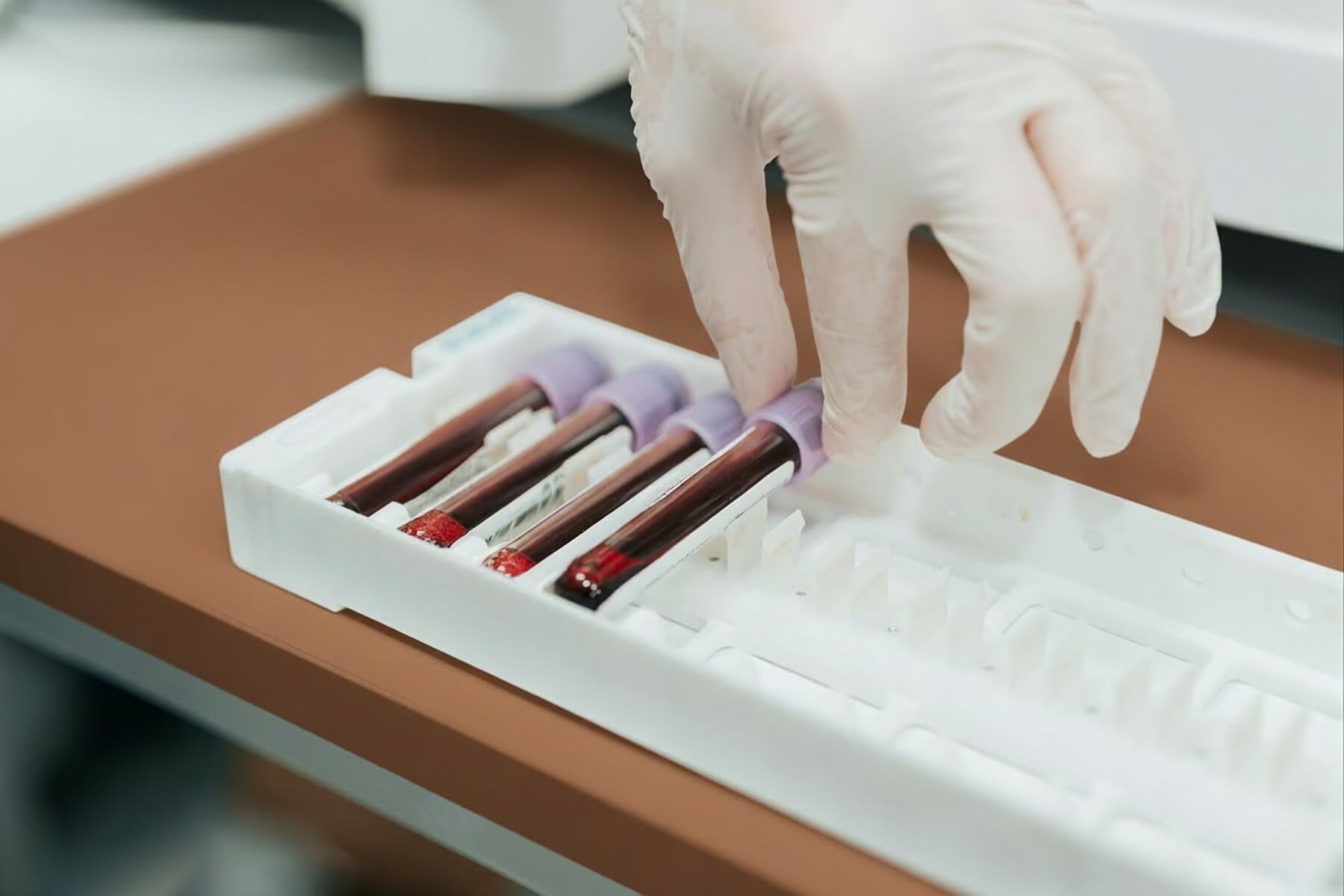
At Aerwell, a peptide therapy consultation begins with a thorough assessment: medical history, current medications and supplements, fitness and recovery goals, and any history of injury or chronic health issues. We order baseline laboratory testing, including:
- Complete metabolic panel (glucose, kidney and liver function)
- Lipid panel
- Growth hormone and insulin-like growth factor 1 (IGF-1) levels
- Thyroid function (TSH, Free T4)
- Inflammatory markers (hsCRP, IL-6)
- Complete blood count
These labs establish baseline values, screen for contraindications (like uncontrolled diabetes or active cancer), and allow us to monitor for any shifts during therapy. After review, we discuss which peptides align with your goals, the expected timeline for results (typically 4-12 weeks), administration methods (subcutaneous injection, oral, or intranasal), and potential side effects.
Peptide protocols are typically 12-16 weeks, followed by a reassessment period. Some peptides are better suited for continuous use (immune-modulating peptides), while others benefit from cycling (GHRPs, tissue repair peptides). We adjust protocols based on labs, symptoms, and response.
Safety and Side Effects
Peptide therapy is generally well-tolerated. The most common side effects are mild and localized:
- Injection site reactions (slight redness, minor inflammation)
- Temporary water retention (some GHRPs increase vasopressin slightly)
- Increased appetite (GHRPs stimulate ghrelin signaling)
- Mild headache or dizziness (usually transient)
More serious side effects are rare when peptides are sourced through licensed compounding pharmacies and prescribed under medical supervision. However, peptides are not appropriate for certain populations:
- Pregnant or breastfeeding women
- Individuals with active cancer (due to growth-promoting effects of some peptides)
- Uncontrolled diabetes (without careful monitoring)
- Those with severe allergies to amino acids or components
Monitoring during therapy is essential. We recheck labs at 8-12 weeks and assess for any shifts in lipid profile, glucose metabolism, or inflammation markers. Most individuals experience no adverse lab changes; in fact, many see improvements in metabolic and inflammatory markers.
Who Is a Good Candidate for Peptide Therapy?
Ideal candidates for peptide therapy fall into several categories:
- Adults aged 30 and above experiencing early functional decline (muscle loss, slow recovery, reduced energy)
- Athletes and individuals with chronic injuries seeking accelerated healing and enhanced recovery
- Those with suboptimal hormone panels (low IGF-1, borderline low growth hormone, low immune markers) despite normal pituitary function
- Individuals with gastrointestinal dysfunction (poor barrier integrity, dysbiosis, chronic inflammation) who may benefit from BPC-157
- Those at risk for age-related diseases seeking to optimize preventive longevity strategies
Conversely, peptide therapy is not recommended for:
- Individuals with active cancer or a history of hormone-sensitive cancers (without oncology clearance)
- Pregnant or nursing women
- Those with uncontrolled diabetes or severe metabolic dysfunction (until stabilized)
- Individuals unwilling to undergo baseline labs and periodic monitoring
The importance of baseline laboratory assessment cannot be overstated. Labs reveal contraindications, establish baseline metabolic and immune status, and allow quantitative assessment of peptide therapy efficacy. A physician prescribing peptides without baseline labs is practicing outside standard-of-care longevity medicine.
Key Takeaways
- Peptides are endogenous signaling molecules that restore cellular communication and repair capacity as they naturally decline with age.
- Major peptide categories include GHRPs (growth hormone optimization), tissue repair peptides (BPC-157, TB-500), immune modulators (thymosin alpha-1), and mitochondrial function peptides (MOTS-c, SS-31).
- Peptide therapy addresses multiple hallmarks of aging simultaneously, making it a mechanistically sophisticated longevity tool.
- Safety is high when peptides are sourced through licensed compounding pharmacies and prescribed under medical supervision; baseline labs and periodic monitoring are essential.
- Ideal candidates include active adults with functional decline, chronic injuries, or preventive longevity goals; those with cancer, pregnancy, or uncontrolled metabolic disease should avoid peptides.
Peptide therapy represents a meaningful evolution in longevity medicine—a transition from broad-stroke interventions to precision, mechanism-driven restoration of the body’s own repair and optimization systems.
Sources
- López-Otín, C., Blasco, M. A., Partridge, L., & Kroemer, G. (2013). The hallmarks of aging. Cell, 153(6), 1194-1217.
- MOTS-c: A mitochondrial-derived peptide modulating glucose uptake and insulin sensitivity
- Thymosin Alpha-1 as a regulator of immunity and longevity
- SS-31 (elamipretide) and mitochondrial function
- Body Protection Compound-157 (BPC-157): Mechanisms and clinical applications in wound healing and gastrointestinal protection
- Thymosin Beta-4 in tissue repair and regeneration
- Growth hormone-releasing peptides and muscle maintenance in aging
- Peptide therapy in longevity medicine: mechanisms and evidence